Czech Republic Challenges EU Budget Over Ukraine Aid and Funding Cuts
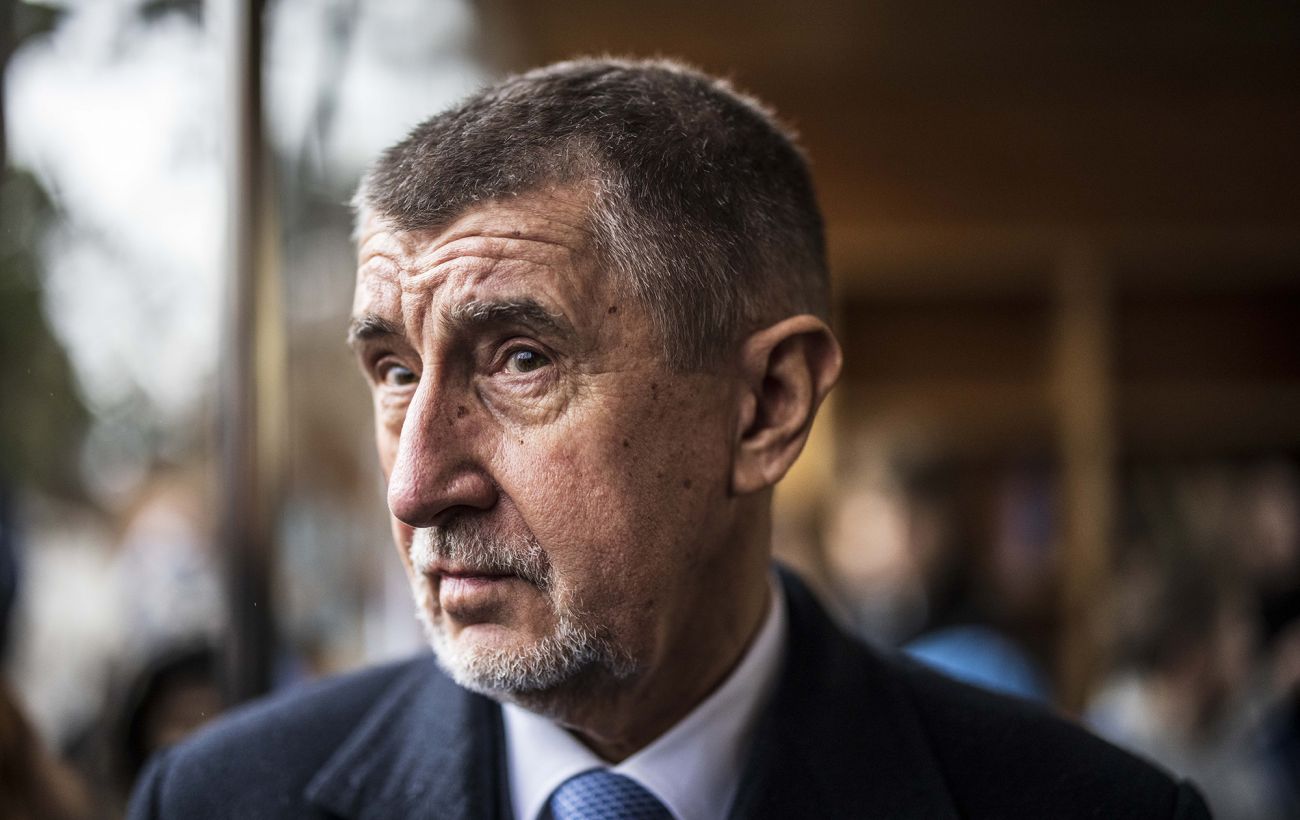
Czech Prime Minister Andrej Babiš has rejected the proposed 2028-2034 EU budget, criticizing the €100 billion allocation for Ukraine and planned reductions in funding for Czechia.
 💼Economy
Photo: RBC-Ukraine
Key points
- Andrej Babiš opposes the €100bn Ukraine aid package within the EU budget.
- Czechia faces a potential €7.5bn CZK cut in its own development funding.
- António Costa aims for a budget compromise among 27 nations by year-end.
The negotiations for the European Union's multi-year budget for 2028–2034 have reached a stalemate following strong opposition from the Czech Republic. Prime Minister Andrej Babiš has formally rejected the current proposal, labeling it unacceptable for Prague. His concerns center on proposed cuts to national funding and the inclusion of a massive aid package for Ukraine within the core EU budget framework.
Financial Discrepancies and National Priorities
The updated budget framework, presented by European Council President António Costa, suggests a reduction of €204 billion compared to the European Commission's initial draft. Babiš pointed out that this adjustment would result in a €7.5 billion CZK funding cut for the Czech Republic. Furthermore, he noted that the Irish presidency's proposal to further reduce spending by €32 billion is entirely unacceptable. Meanwhile, he criticized the allocation of approximately €100 billion over seven years for the maintenance of EU institutions, such as the European Parliament and the European Commission.
"This is absolutely unacceptable for us," the Prime Minister stated, highlighting that while Czechia is increasing its contributions to the EU budget, it is simultaneously facing a decrease in support for its own development programs.
The Debate Over Ukraine Aid
A significant point of contention is the proposed €100 billion allocation for Ukraine. Babiš argued that such funding should be managed outside the standard EU budget. He questioned why member states' collective funds should be utilized in this manner, suggesting that aid for Kyiv should be handled through separate financial mechanisms. This stance reflects a broader debate within the bloc regarding the long-term structure of international assistance.
In contrast, German Chancellor Friedrich Merz, while also critical of the budget's overall size, maintains a different perspective. Merz advocates for a smaller total budget but insists on ensuring stable, multi-year financial support for Ukraine. António Costa is currently working to bridge these gaps and reach a consensus among the 27 member states by the end of the year.
For the Poltava community, these high-level financial discussions are more than just foreign policy. Local infrastructure projects, transport upgrades, and social services often rely on state funding that is bolstered by international aid. Any disruption or shift in the EU's budgetary commitments could lead to a ripple effect, potentially slowing down regional recovery efforts and affecting the predictability of local development plans in Poltava.
Source RBC-Ukraine — rbc.ua/ukr/news/chehiya-prigrozila-zablokuvati-masshtabnu-179535439… ↗
Read next
 🛡️Security
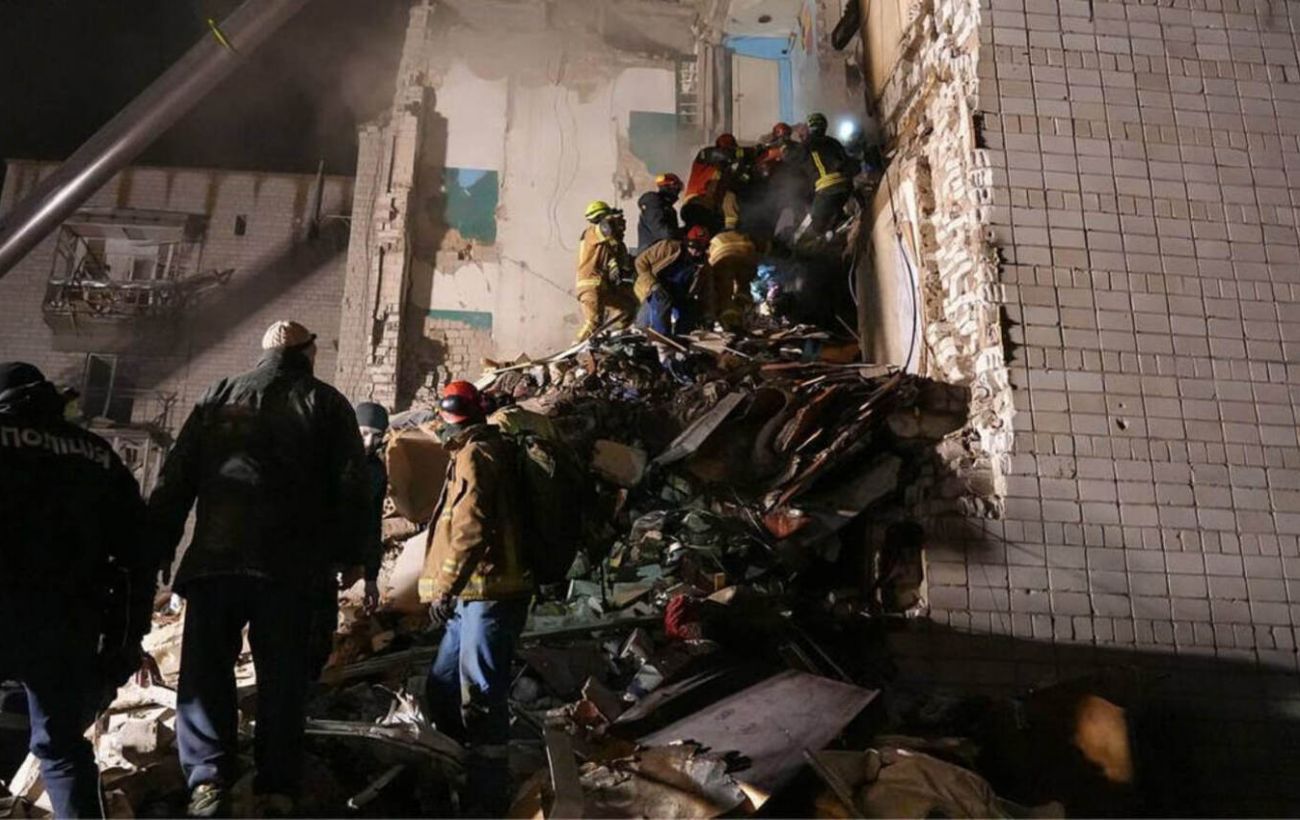
Death toll rises to six following drone strike in Dymer
Rescue teams have recovered another body from the rubble of a residential building hit by a drone in the Kyiv region.
 🏛️Politics
British Minister Hamish Falconer harshly criticizes Putin's policy
UK Minister Hamish Falconer has openly condemned the actions of the Russian leadership and distanced himself from rhetoric regarding friendship with the Kremlin.
 🚨Events
Shooting in Kharkiv: Police Investigate Murder
Law enforcement in Kharkiv are searching for suspects involved in a murder following a shooting incident.
 🧠AI Analysis
US Considers New Security Guarantee Model for Ukraine: Jared Kushner Reveals Details
The US administration is initiating talks on a new European security architecture, which may include security guarantees for Ukraine modeled on NATO's Article 5.
 ⚽Sport
High-scoring draw in Serie A matchday 12: Atalanta and Inter score eight goals
In a thrilling Italian league match, Atalanta and Inter drew 4-4, showcasing incredible offensive performance.
 🛡️Security
Russian airstrike on Sloviansk: casualties reported
Two civilians were killed and three others injured following a Russian aerial attack on the city of Sloviansk.