Microplastics in water found to be chemically active: new research findings
Scientists have discovered that microplastics are not just inert debris but can trigger chemical reactions with water, potentially damaging cells.
 🩺Health
Photo: TSN
Key points
- Microplastics trigger the formation of harmful reactive oxygen species in water.
- Polyethylene and polypropylene are the most chemically active plastic types.
- Microwaving plastic containers increases the release of microparticles.
- Chemical activity of microplastics can cause damage to biological cells.
The hidden chemical threat of plastic
Researchers from Columbia University and the University of California, Berkeley, have revealed that microplastics pose a more complex threat than previously understood. It turns out that plastic particles actively interact with water, rather than simply accumulating in the environment.
When in contact with water, reactive oxygen species (ROS) form on the surface of microplastics. These chemically active molecules, including hydroxyl radicals, can damage proteins and DNA structures. Polyethylene and polypropylene were found to be the most active materials in this process.
Cellular impact and daily risks
Laboratory experiments demonstrated that exposure to polystyrene caused mouse red blood cells to change shape and rupture. Researchers highlight that as plastic items break down into smaller fragments, their surface area increases, which significantly enhances these chemical reactions.
Common household practices, such as heating plastic containers in a microwave or leaving water bottles in direct sunlight, accelerate the degradation of the material. This leads to the release of more microparticles, which eventually enter wastewater and the broader ecosystem.
Source TSN — tsn.ua/zdorovya/mikroplastyk-vyiavyvsia-nebezpechnishym-niz-vvazaly-shc… ↗
Read next
 👥Society
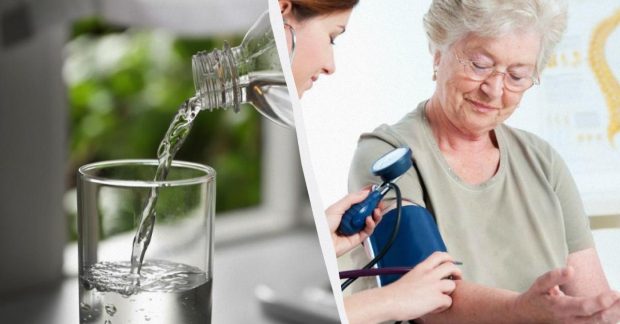
How Much Water to Drink for Healthy Blood Pressure: Cardiologists Explain
Leading cardiologists have outlined the recommended daily water intake for maintaining healthy blood pressure and explained how dehydration affects the cardiovascular sys…
 🚨Events
Enemy UAV attacks enterprise in Poltava district
A daytime enemy drone strike in the Poltava district hit the territory of a private enterprise, with no casualties reported.
 💼Economy
Pension Payments in State Care: How Much Cash Will Seniors Retain?
The Pension Fund of Ukraine clarified deduction rules for citizens in state institutions and introduced simplified seniority verification procedures.
 ⚽Sport
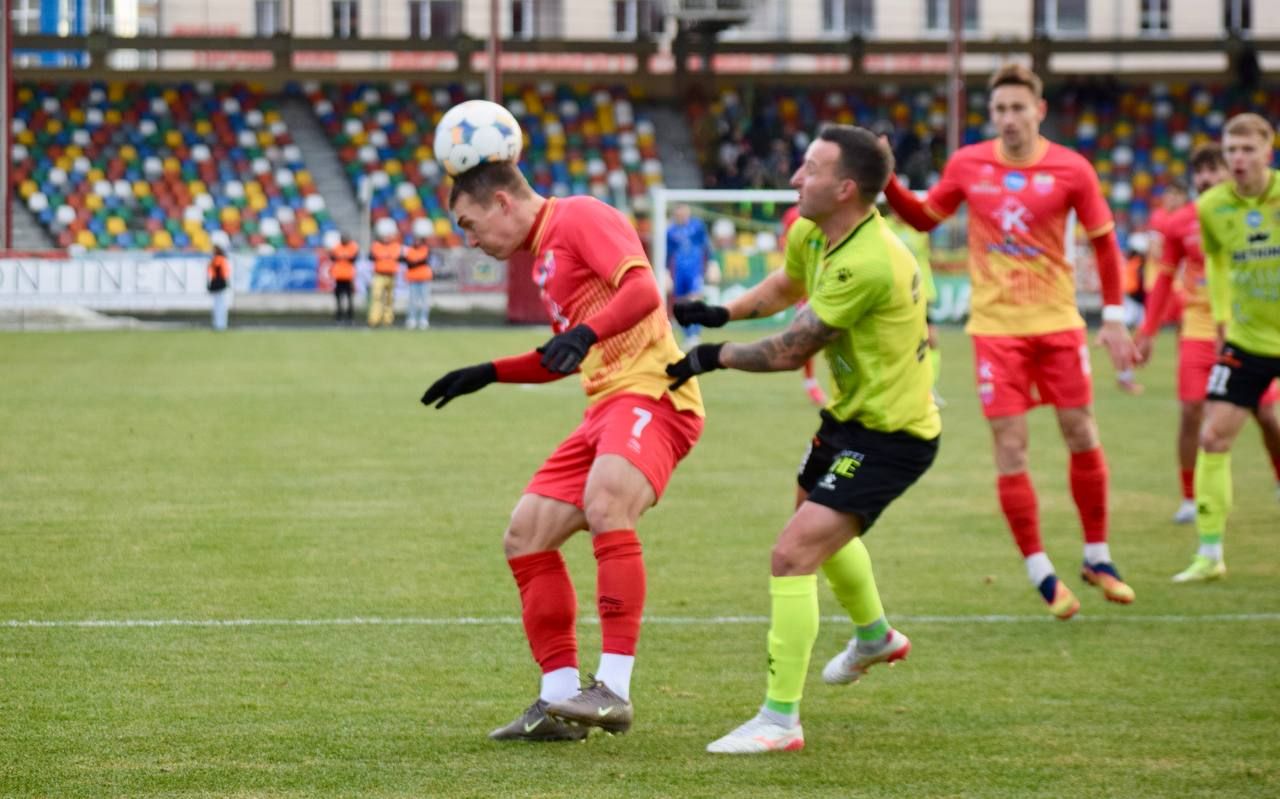
SC Poltava Secures Dramatic Late Win Against Nyva Ternopil in the First League
SC Poltava grabbed an away victory over Nyva Ternopil thanks to a decisive stoppage-time goal, strengthening their position in the league standings.
 🚨Events
Large-scale fire at an Indonesian confectionery factory leaves dozens missing and triggers search efforts
A devastating blaze at the PT Fonusa Agung Mulia facility in Indonesia's Banten province has killed at least three people, while the whereabouts of dozens of workers rema…
 💼Economy
Czech Republic Challenges EU Budget Over Ukraine Aid and Funding Cuts
Czech Prime Minister Andrej Babiš has rejected the proposed 2028-2034 EU budget, criticizing the €100 billion allocation for Ukraine and planned reductions in funding for…